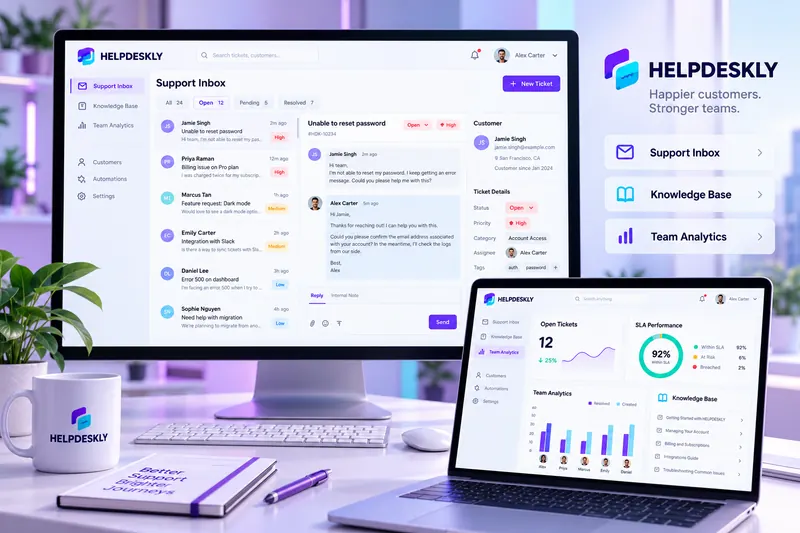
 Customer Support Software
Custom PHP Websites · Melbourne Design Studio
Custom PHP Development for Specific Business Requirements
When standard plugins create more compromises than solutions, a purpose-built PHP application can support the workflow properly.
- 20+ yearsdesign and UX experience
- Melbourne-basedstudio in Truganina, VIC
- One teamstrategy, design and build
- Free quotesclear and no obligation
Custom PHP Websites at Melbourne Design Studio
We define business rules, users, data and integrations before selecting an architecture. The goal is maintainable software with clear documentation – not unnecessary custom code. Laravel, Symfony or another supported PHP approach may be recommended.
What’s included
Typical deliverables for custom PHP websites. Your proposal confirms the exact scope, so you only pay for what you need.
Discovery
Sessions to understand your workflows, users and business rules before any code is written.
Technical specification
A clear specification covering features, data, integrations, security and acceptance criteria.
Database and API design
Well-structured databases and APIs designed for reliability, reporting and future growth.
Secure authentication
Login, roles and permissions built with secure practices to protect your users and data.
Dashboards
Admin panels and reports that give your team the information and controls they need.
Third-party integrations
Connections to payment, CRM, accounting, email and other services your business relies on.
Automated testing
Automated tests that check key features and help prevent regressions as the system evolves.
Deployment
Controlled releases to your hosting environment, with rollback plans and environment documentation.

Documentation
Technical and user documentation so your team, and future developers, understand how the system works.
Support
Ongoing fixes, updates and improvements once the system is live.

Explain the process that is slowing your team down and we will assess the simplest responsible solution.
Get free quoteHow a custom PHP build comes together
Business rules and data are defined before code, so the result stays maintainable and documented.
- RequirementsUsers, rules and integrations
- Data modelEntities, permissions and reporting
- Build & APIsFramework, modules and integrations
- TestingAutomated and user acceptance tests
- Deploy & documentRelease, handover and support
Illustrative demo – example content, not client data
Custom PHP Websites – selected work
Projects that show this kind of work in practice.
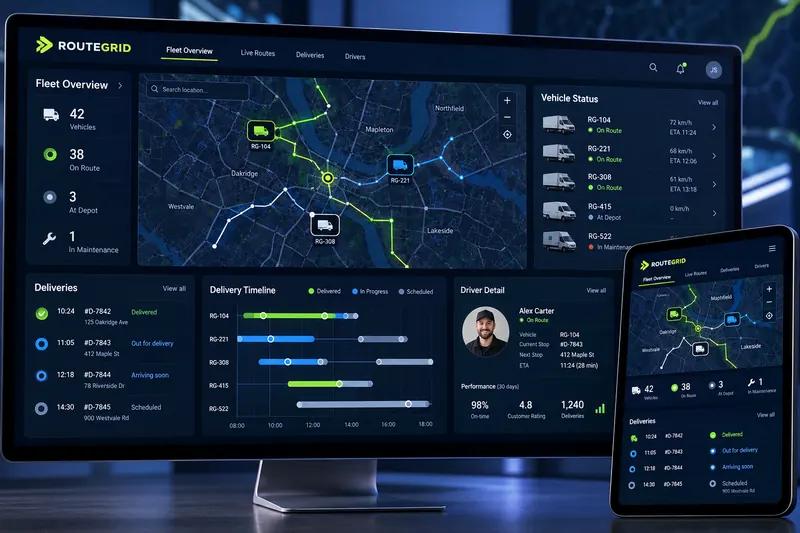
Customer Support SoftwareLogistics SoftwareRouteGrid Fleet Management Dashboard
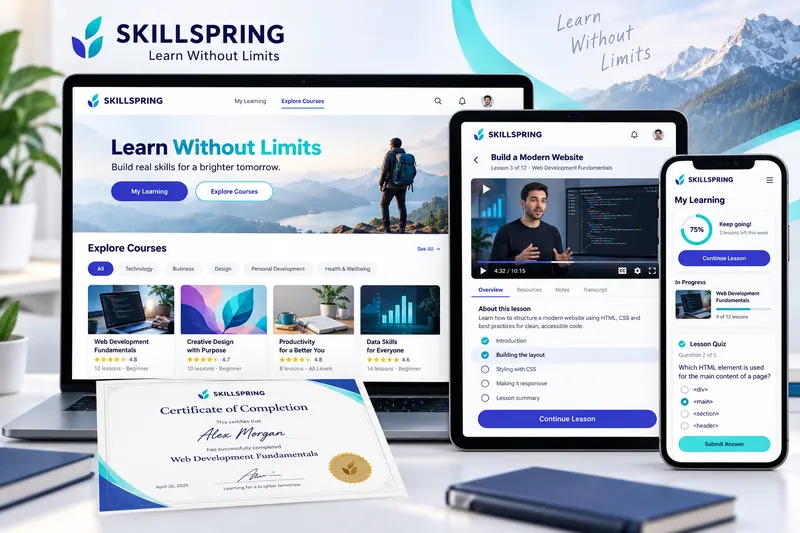
View case studyEducation Web AppSkillSpring Learning Platform
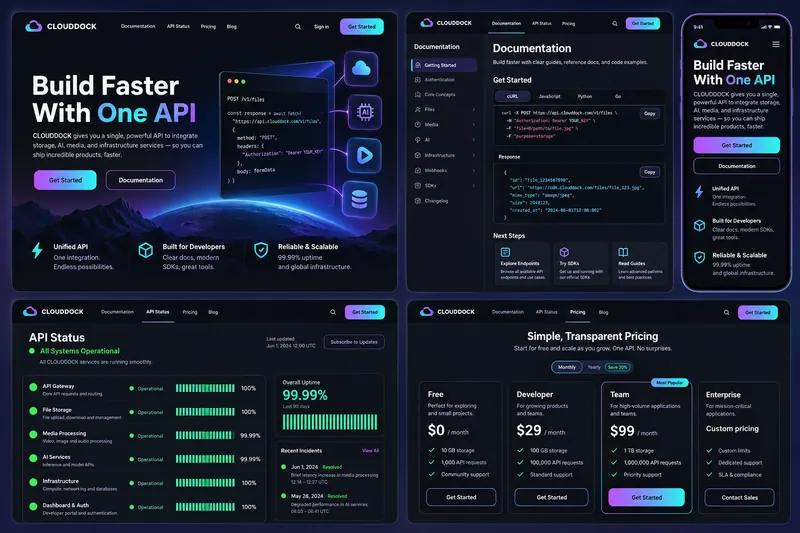
View case studyDeveloper ExperienceCloudDock Developer Portal
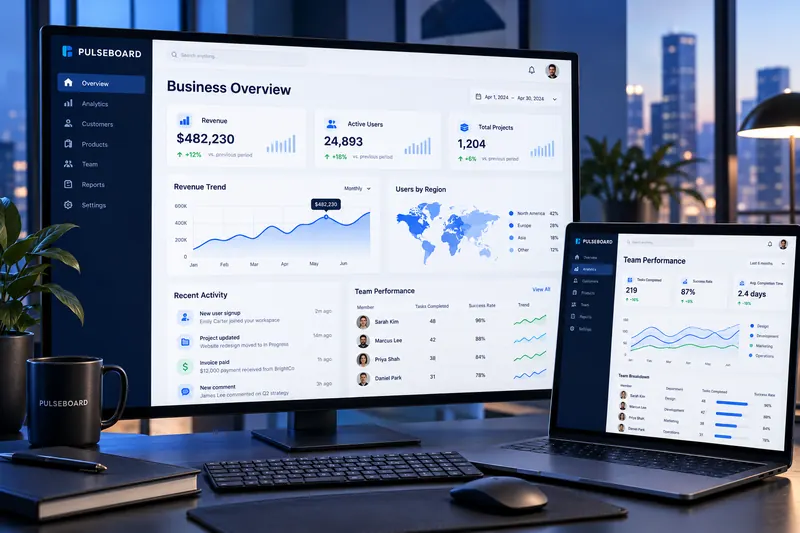
View case studyDashboard UI DesignPulseboard Business Analytics Dashboard
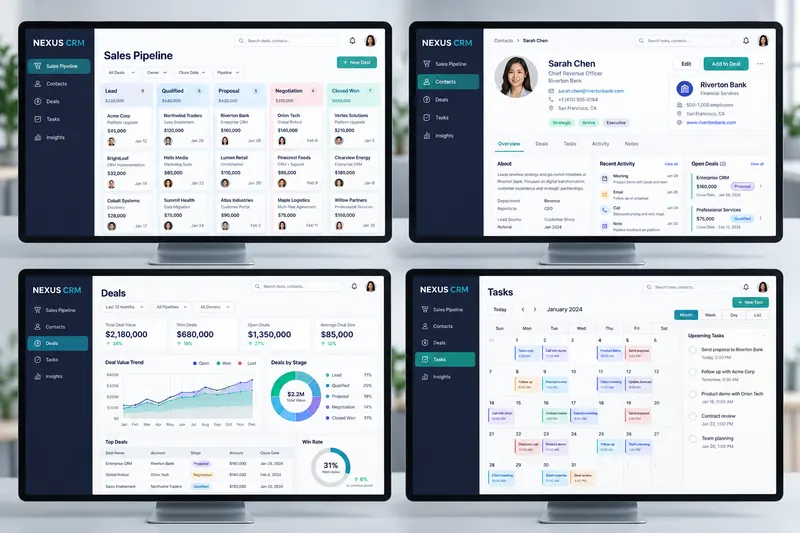
View case studyCRM Software DesignNexus Sales CRM
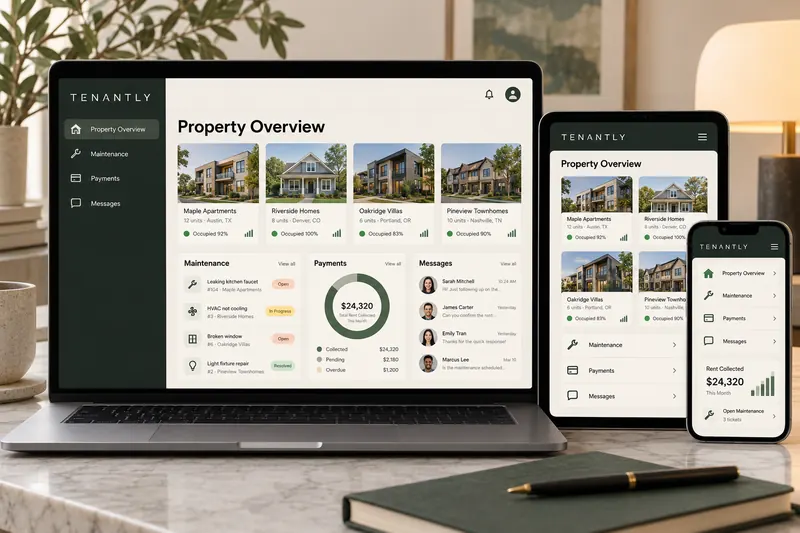
View case studyProperty SoftwareTenantly Property Management Platform
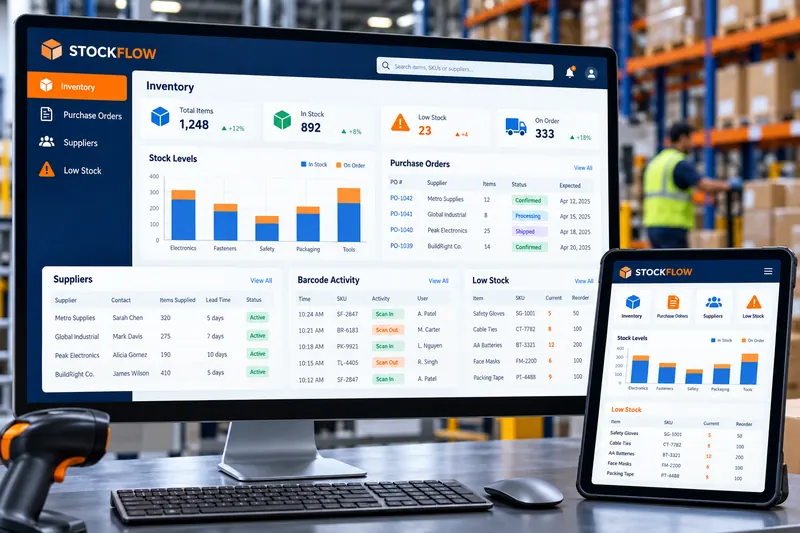
View case studyOperations SoftwareStockflow Inventory Management Software
View case studyHR SoftwarePeoplely Human Resources Platform
View case studyHow we work
Goals, audience, content and technical requirements become a clear scope and sitemap.
Wireframes and visual design are reviewed with you before development starts.
Responsive development, CMS, forms and integrations, tested across devices.
Launch checks, training and ongoing care so the site keeps performing.
Related services
Frequently asked questions
Answers to common questions about custom PHP websites. If yours is not here, ask us directly.
When is custom development justified?
Custom development makes sense when critical workflows cannot be handled reliably by an established platform or off-the-shelf software. We will tell you if an existing product would serve you better, as it is often quicker and less costly.
Can you improve our legacy PHP application?
Yes, after a code and security audit. We identify risks, outdated dependencies and quick wins, then recommend whether to improve the existing system gradually or plan a rebuild.
Can you integrate our existing systems?
Where suitable APIs or controlled data access exist, yes. We review each system’s capabilities and document how data will move securely between them.
Which frameworks do you use?
We select frameworks based on your requirements, hosting and long-term support needs. Established frameworks such as Laravel are commonly used because they offer security features and a large developer community.
Who owns the code?
Ownership and licensing are set out in the agreement. We aim to make sure the code and documentation can be maintained by your team or another developer in future.
How do you keep the application secure?
We follow secure coding practices, validate input, protect authentication, keep dependencies up to date and review access controls. Security testing can be expanded for higher-risk applications.
From the blog
Guides on custom PHP websites
Practical articles from our team to help you plan and make informed decisions.
 Web Design
Seven Signs Your Business Website Needs a Redesign
Slow, confusing or outdated website? Learn seven practical signs that indicate a redesign could improve usability, trust and enquiries. Web Design
Core Web Vitals: What Small Businesses Need to Know
Learn what Core Web Vitals measure, why page experience matters and how to prioritise practical website performance improvements. UX & Conversion